Fraud Can Hit Any Citizen More Than Ever Via Transnational Technology-Facilitated Scam Centres
Report written by Marneo Serenelli, member of the Servas International United Nations Team
Here are some highlights chosen from my recent experience as an SI Team member who has access to events organized by the United Nations at its Vienna Headquarters.
The United Nations is facing a very difficult time, due to diminished funding and overwhelming autocratic policies recently implemented by powerful countries. Nevertheless, it tries to go ahead in operating within its long-term agenda, characterized by established goals.
On March 16–17, the United Nations Office on Drugs and Crime (UNODC), together with the International Criminal Police Organization (Interpol), held the Global Fraud Summit. I participated in this event online.
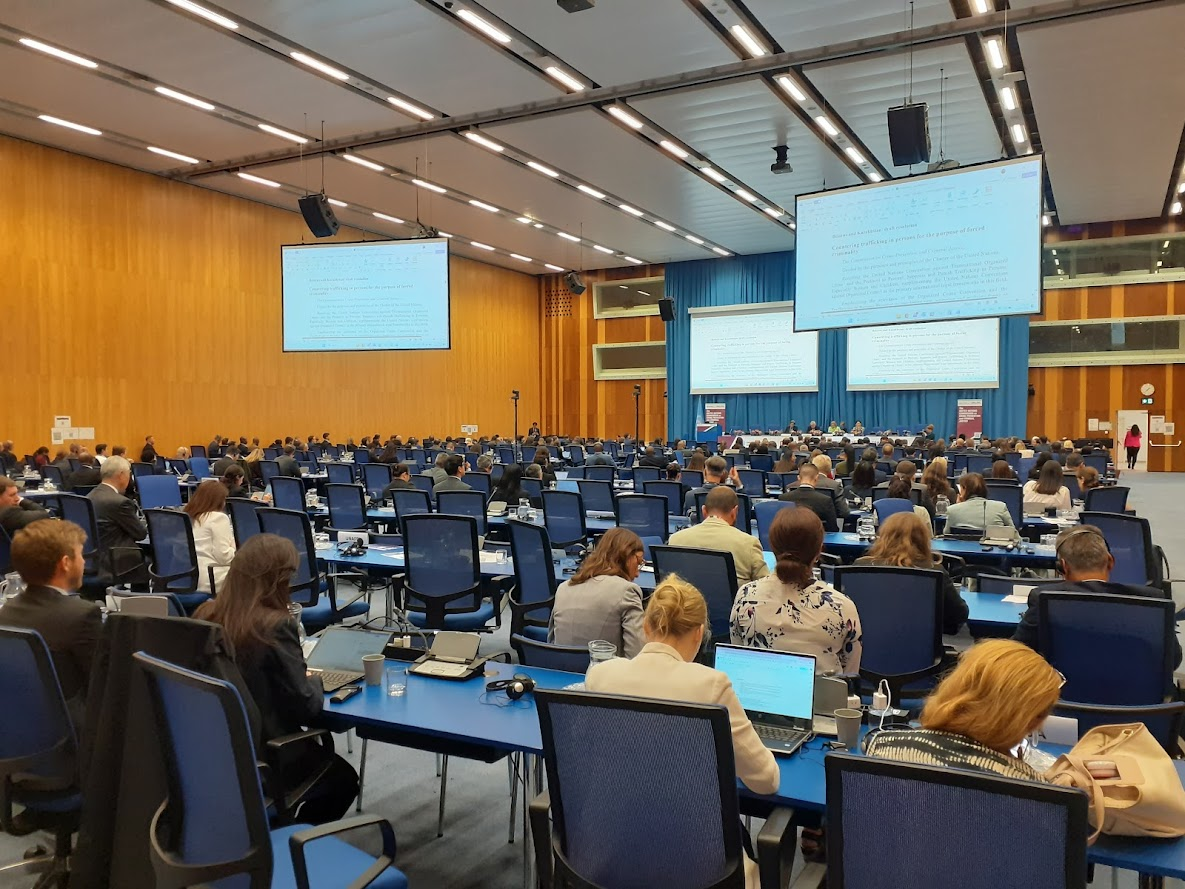
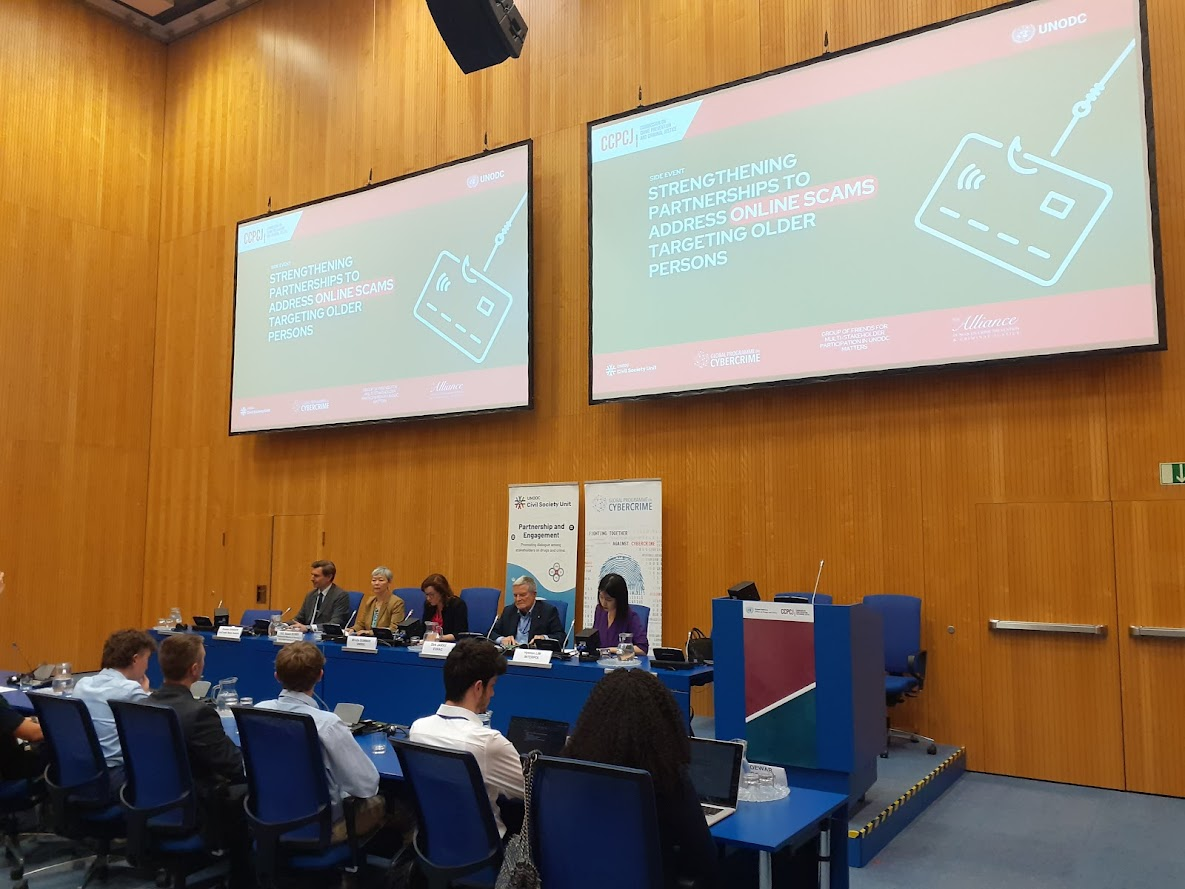
From 1st to 5th June 2026, I participated in person in the 35th Session of the Commission on Crime Prevention and Criminal Justice, together with the SI UN Team Main Representative in Vienna. The CCPCJ is the principal policymaking body of the United Nations in the field of crime prevention and criminal justice. This year, the forty countries that elected members to the CCPCJ, representing the various regional areas of the world, took decisions on three specific issues: preventing and combating transnational sexual extortion ("sextortion") of children; countering trafficking in persons for the purpose of forced criminality; and strengthening crime prevention and criminal justice responses to prevent and combat fraud. It is on this last issue that I will concentrate my report.
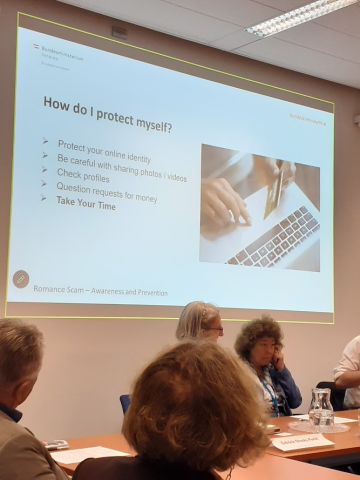
Recently collected global data show that while some crimes are diminishing—many would be surprised to learn that homicides are declining—fraud is an increasing global threat, both in scale and sophistication. Fraud can be perpetrated in many fields: corruption, money laundering, trafficking in persons, smuggling of migrants, illegal appropriation of property/savings, etc. Nowadays, financial crimes (blackmail, for instance) are often based on the use of cryptocurrencies, which can evade traditional methods of control.
A new phenomenon is rapidly increasing: the emergence of scam centres, a sort of well-organized criminal agency where offenders interact to facilitate each other's activities, very often utilizing the internet (social media, etc.) and artificial intelligence technology in order to gain quick access to critical information such as the personal passwords of individual citizens. They operate even at the transnational level.
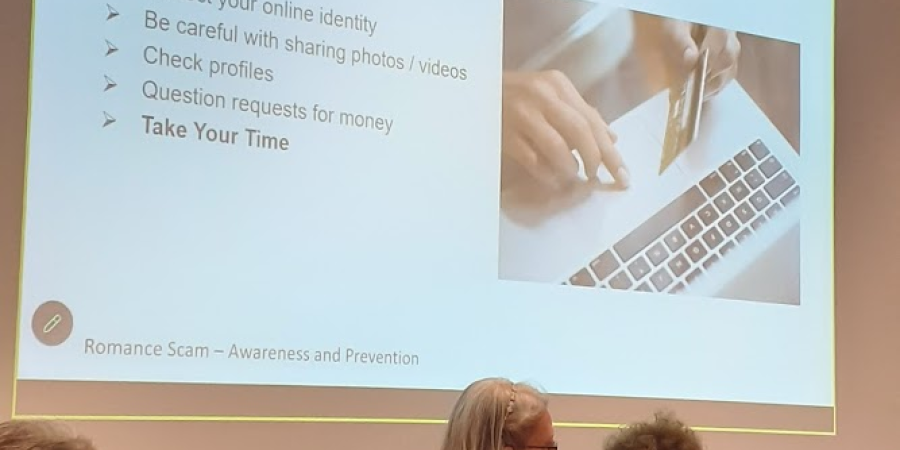
Any citizen could be targeted by fraudsters, who build a mindset based on principles and tricks of persuasion to convince people to do what they would not normally do. Fraud, in its essence, is not physical but psychological. Fraudsters know how to build relationships, be attractive, and appear authoritative—often counting on our fears and pushing us to act urgently. In fact, these are the situations in which we are persuaded to pay package tolls, help a relative in unexpected need, buy non-existent products, and so forth. Thanks to AI, we can now be contacted through deepfake messages that use the voice of a person we know well, and sometimes even through fake video calls featuring someone who is dear to us. Of course, the most targeted people are often those considered the most vulnerable: people living alone or lacking experience. Older people are frequently included in this group, since they may be emotional, slower in their reactions, and unaccustomed to the most recent technology. However, anybody can be targeted.
Police and other stakeholders underline that prevention, together with the implementation of criminal justice measures, is a key way to respond to these new developments. Public-private partnerships (including providers of social media services) are unavoidable.
Since the phenomenon is increasingly transnational, states should collaborate in adopting similar legislation, exchanging information, and opening up to coordinated actions. At the moment, scam centres are flourishing in specific countries where their illegal activities are less likely to be detected and/or prosecuted. However, due to globalization, other countries can also be affected by these centres, since there are effectively no boundaries for them.
The international community now tends to focus more on victims, adopting victim-centred policies: “It is not your fault. Anyone can be a victim. Fraud doesn’t discriminate.”
Citizens should be educated and educate themselves by familiarizing themselves with possible threats, verifying the sources of messages, not communicating sensitive personal data to unknown people or agencies, avoiding the immediate actions requested by them, and asking for help from family, friends, or dedicated official services. Once somebody has been defrauded, he or she often feels guilty for having been stupid or naïve and ashamed to expose the misadventure to others. However, in order to overcome the consequences of the trauma, victims may find some relief in not keeping everything inside.
What’s next? It is difficult to say in a world that is changing at such a rapid pace.
The international community will soon have a major event: the 15th United Nations Congress on Crime Prevention and Criminal Justice, hosted by the Government of the United Arab Emirates and taking place in Abu Dhabi from 26 September to 1 October 2026. The results of the dialogue that took place during recent annual sessions of the CCPCJ will be utilized on that occasion.
As citizens, let us try to stay informed and ready to adapt our behaviours. As civil society, many organizations such as Servas International can make a contribution and collaborate in building a future with fewer threats such as fraud. Reciprocal trust is a joy, isn’t it?
See also
Join & support
Articles you might be interested in

International day of Peace 2023
2023-09-28
SI at Nuclear Ban Week in New York
2023-11-29
Servas Women/Mujeres- Quienes somos nosotras
2024-11-06



Peace Week- Trees for Peace/SI UN T
2026-09-04
SI UN NY Event The Work of Peace
2026-09-05